
To complete your registration, please click hereto email Taum the name you would like for your class certificate.
Scroll down for class preparation, which will take about 20 minutes. Expect an awesome class.
The Lauren Berry Method® of Visceral Massage.
Sunday, July 13th, from 10 to 2 pm

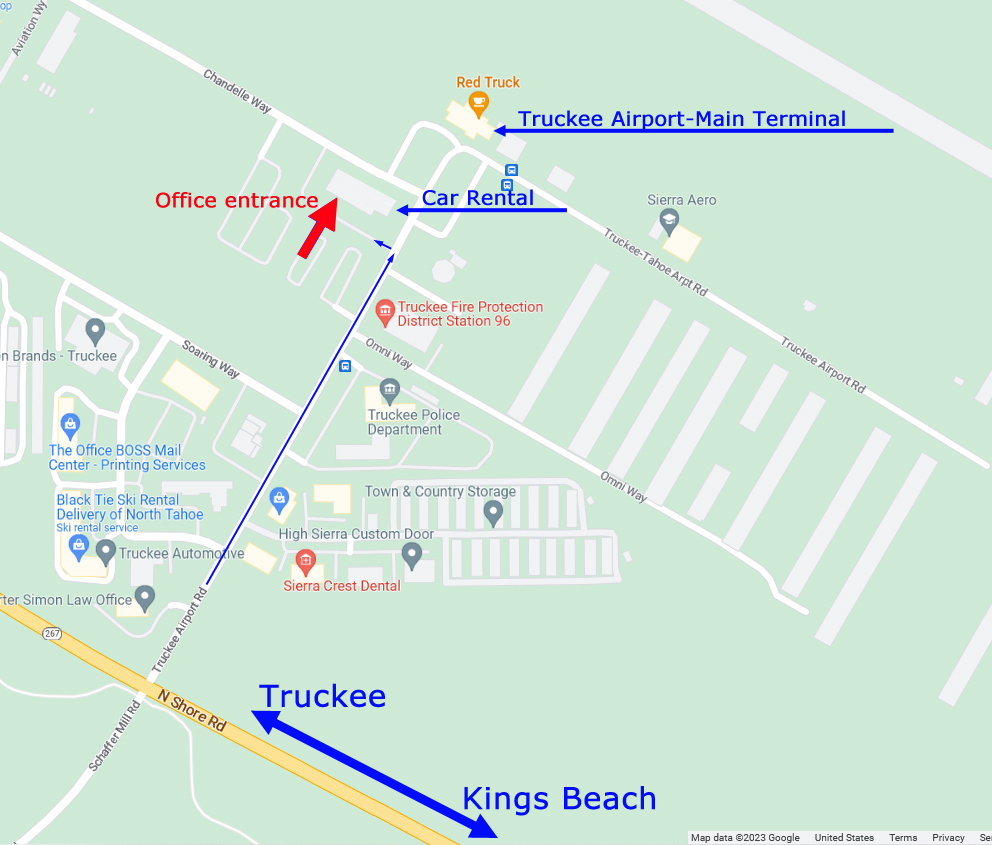
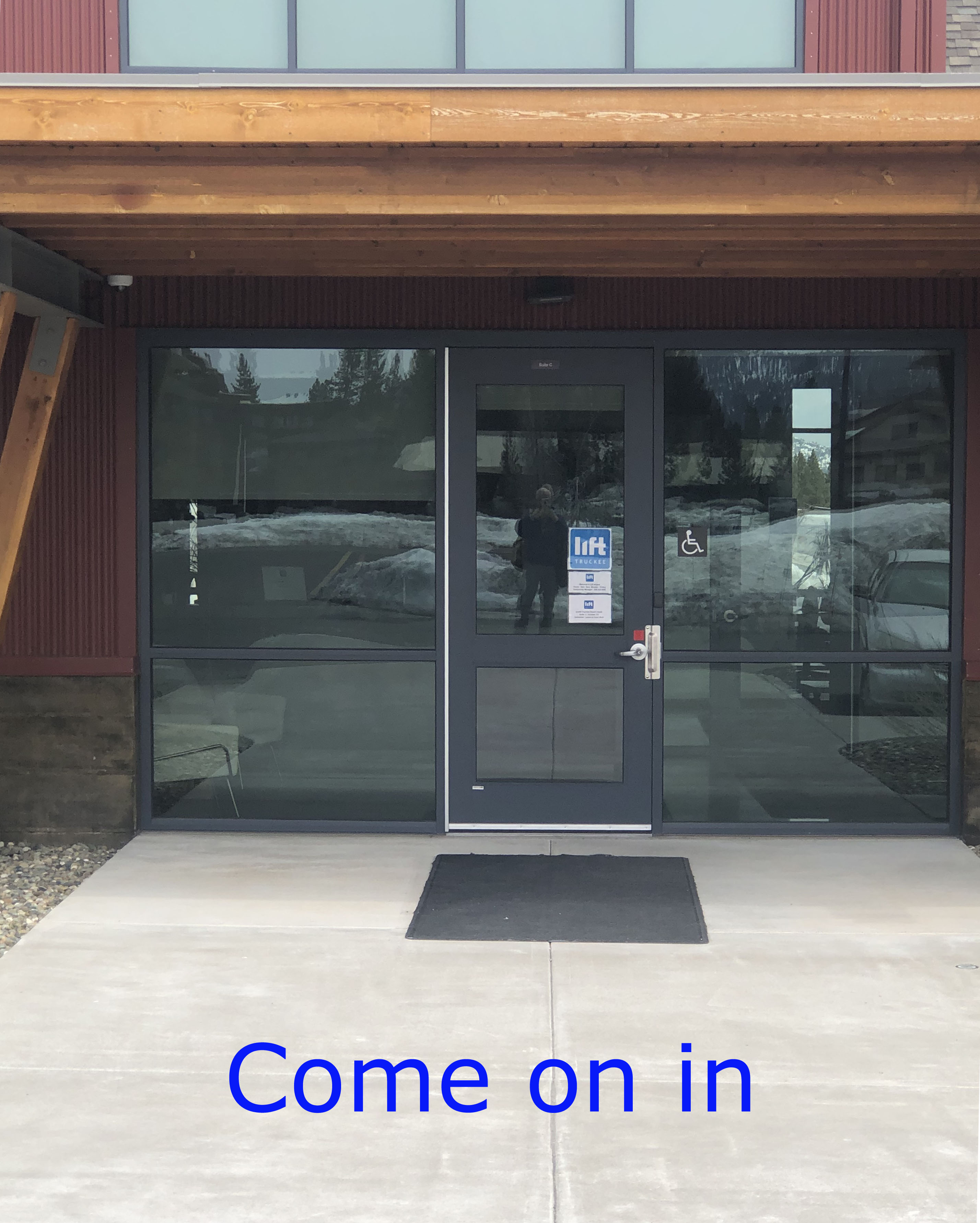
The class will be held at Synergy Healing Arts in Truckee, next to Truckee International Airport (KTRK)
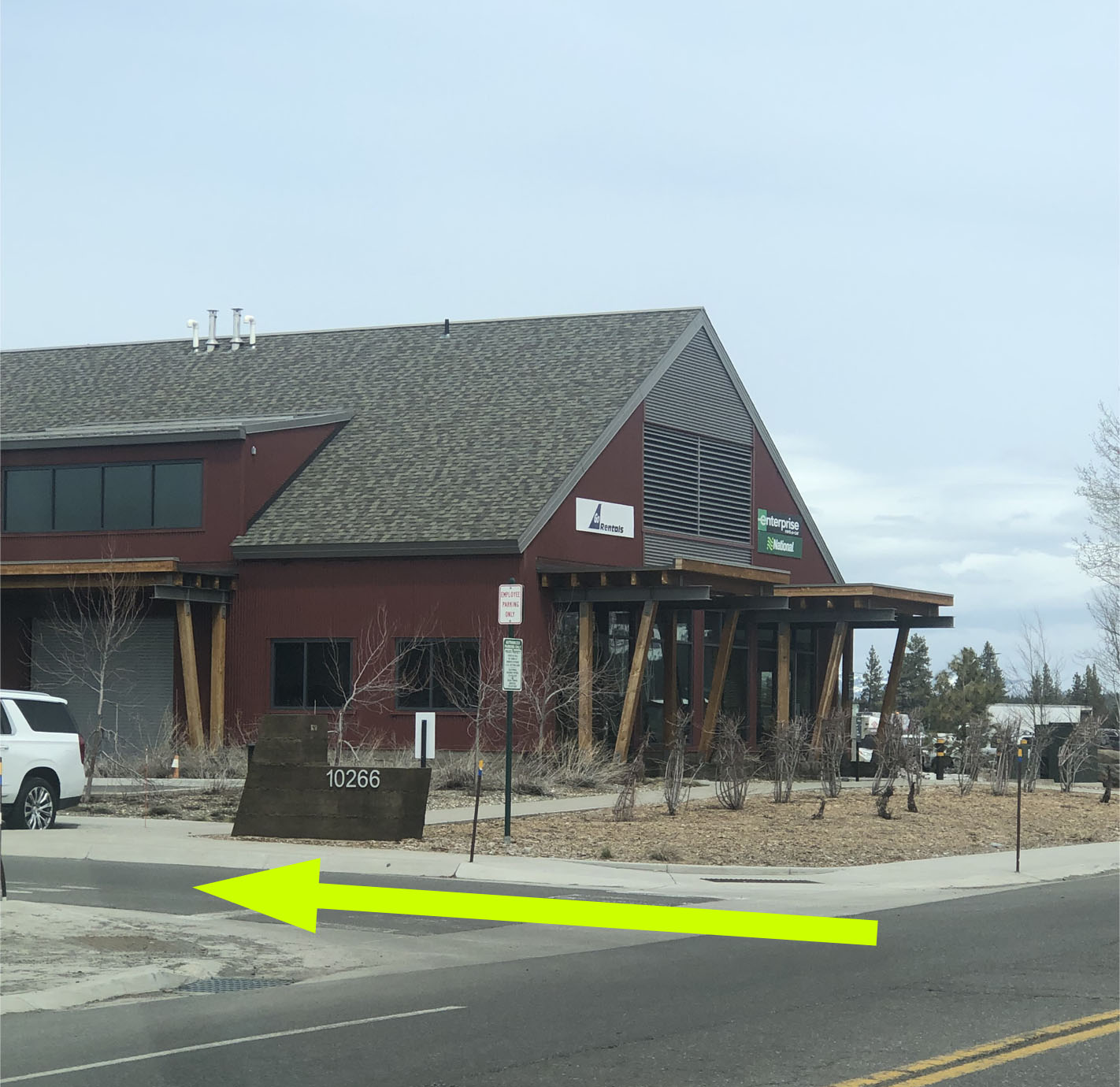
10266 Truckee Airport Rd, Truckee, CA 96161


Homework
This uniquely efficient and effective approach focuses on 'Tactile feel.'
After you attend to the homework prior to class, you can be present in class with a basic understanding of the information presented.
This will enhance the ability of your nervous system to comprehend and process the sensations your hands experience.
Knowledge and understanding support and enhance your sensory perception.
Combining tactile feel and knowledge can create a powerful approach to supporting the body's healing ability.
Our sense of touch involves interpreting and directing us.
This ability increases when supported with knowledge and understanding.
Taum will include this information within your handout for your future reference.
Familiarize yourself with the following information.

Peristalsis and Segmentation.
Two types of movements occur in the gastrointestinal tract: peristalsis and segmentation.
Peristalsis is the involuntary contraction and relaxation of longitudinal and circular muscles throughout the digestive tract, allowing for the propulsion of contents beginning in the pharynx and ending in the anus. Swallow-induced peristalsis is termed primary peristalsis, while peristalsis evoked by distension of the esophagus is termed secondary peristalsis.
While peristalsis propels contents forward, segmentation is the mixing of these contents, both of which play an essential role in allowing for the absorption of water and nutrients.
The gastrointestinal tract is innervated by the enteric nervous system (ENS), a division of the peripheral nervous system, which controls the gastrointestinal system independent of any central nervous system (CNS) input. The ENS consists of 2 networks of nerves: the myenteric plexus (Auerbach plexus) and the submucosal plexus (Meissner plexus). The myenteric plexus is situated between the longitudinal and circular muscles of the gastrointestinal tract and contains the pacemaker cells and the interstitial cells of Cajal (ICC). The myenteric plexus and ICC mediate the process of peristalsis by alternating between distal relaxation and proximal contraction of the muscles.
https://www.ncbi.nlm.nih.gov/books/NBK556137/


Taum's approach to manual therapy is primarily influenced by the work of Lauren Berry Sr, Registered Physical Therapist and Structural Engineer.
Structural engineering is a sub-discipline of civil engineering. Structural engineers design the 'bones and muscles' that create the form, shape, and function of structures.
They also work with and understand the plumbing systems within those structures.
One of Lauren's many unique gifts to the manual therapy world was the concept of soft-tissue balance and distortion.
This is so appropriate:-)
Click here for more information on Lauren.
A Holistic approach.
It serves to remember that we, as therapists, do not heal anything. We simply recognize, respect, and support the body's 'built-in' healing ability.
Corrective Massage recognizes the importance of balanced relationships, movements, and interactions throughout the body's soft tissues*. These relationships include natural anatomical positions and functionally balanced movement unimpeded by soft tissue tension.
Functional balance implies that our soft tissues are working harmoniously to support pain-free, healthy movement and function.
In Taum's world of Corrective Massage, considering all bodily movement as an orchestration of soft tissue relationships is a fundamental principle and starting point.
These foundational principles include familiarity with Equilibrium and Homeostasis. AKA Balance.
For example: Walking initially appears to be a simple activity. It actually involves a complex orchestration of numerous soft tissues.
A symphony of movement:
Our body requires over 200 of our 600 muscles to take one step. Of those 200, many serve as compensating adapters working in the background to keep us upright as we walk. While all our weight is on the right foot, those background muscles are adapting and counterbalancing so we do not fall over.
Each and every soft tissue plays a vital role in the body's ability to move and adapt to unbalanced tensions.
Our bodies can adapt to those tensions.
But only so far...
Limping is an example of crossing the adaptation line.
Pain serves as an alert that unbalanced tension has exceeded the body's ability to adapt, and corrective therapy is required.
The foundational focus of this unique therapy is to interpret the alert and then identify and correct the soft tissue tensions and imbalances that have created those alerts.
Corrective massage has repeatedly proven to be an efficient and effective method to reduce and relieve pain.
I hope this information serves you and those you serve.

*Muscles, tendons, ligaments, membranes, and viscera.
Terminology
Origin: The beginning site, the more fixed attachment of the muscle. Can be considered as the anchoring point.
Insertion: The movable attachment of the distal end of the muscle.
Entheses: Locations of stress concentration where tendons and ligaments attach to bone.
Superior: Toward the upper part of the structure.
Inferior: Toward the lower part of the structure.
Anterior: Nearer to the front of the body.
Posterior: Nearer to or at the back of the body.
Medial: Near the midline of the body.
Lateral: Farther from the midline of the body.
Proximal: Near the point of attachment, center of the body.
Distal: Away from the trunk, from the center.
External: Towards the surface of the body.
Internal: Away from the surface of and within the body.
Plantar: Refers to the bottom of the foot.
Dorsal: Refers to the top of the foot.
Unilaterally: Contracting on one side.
Bilaterally: Contracting on both sides.
Inversion: To turn inward.
Eversion: To turn outward.
Synergist: Cooperating and supporting.
Antagonist: That which counteracts, opposes.
Agonist: The muscle directly engaged in contraction.
Proprioceptors: Proprioceptors are specialized sensory receptors that are responsible for providing information about the position, movement, and tension loads of muscles and joints.
For more information: Proprioceptors
Periosteum: The periosteum is a dense highly innervated membrane composed of fibrous connective tissue that closely wraps (invests) all bone, except that of the articulating surfaces in joints which are covered by a synovial membrane.
The periosteum is the most densely innervated, followed by bone marrow and cortex. It is important to recognize and respect the sensitivity of this membrane. It may well be the most sensitive component in the body.
For more information: Sensory Innervation of Human Bone
"Peri-" is a prefix borrowed from the Greek meaning "around or about" and "-osteum" also comes from the Greek, from "osteon" meaning "bone", so periosteum literally means "around the bone."
Golgi Tendon Organ (GTO): A spindle-shaped structure near the muscular/tendinous junction. This structure is thought to function as a feedback system that monitors muscle tension, inhibits muscle contraction of the agonist, and facilitates contraction of the antagonistic muscle. The purpose of this mechanism is to prevent overuse and damage to the muscle and involved joint.
Additional resources for anatomical clarity: