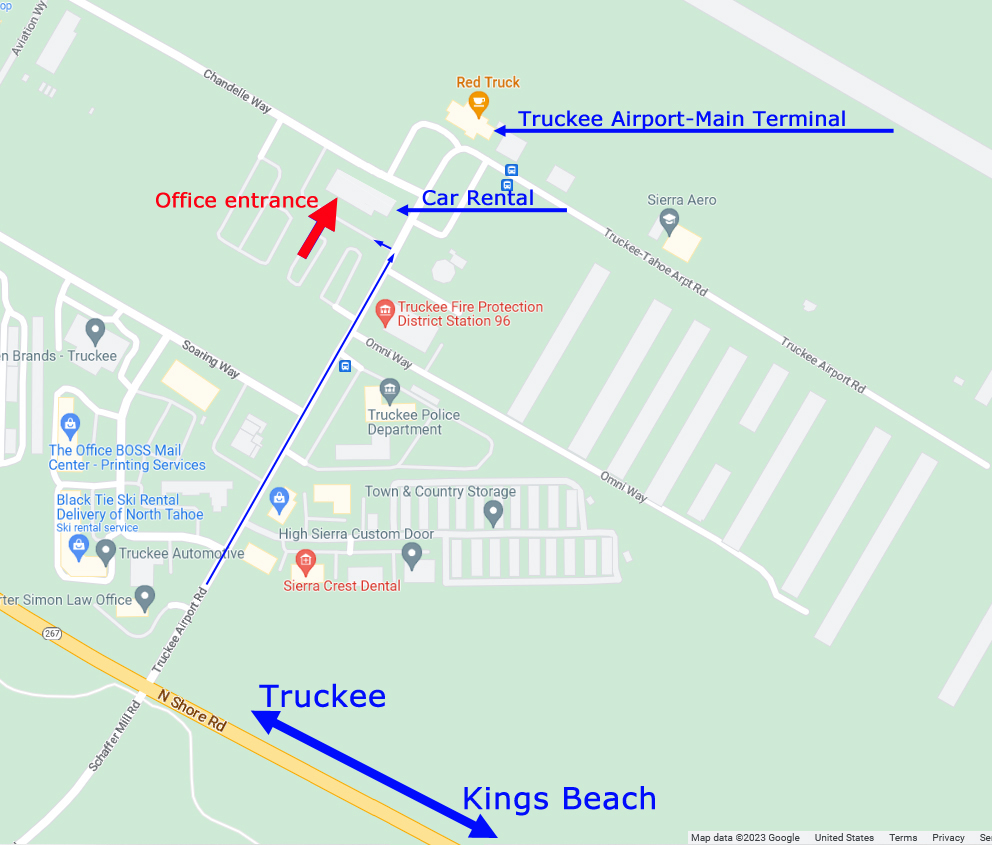
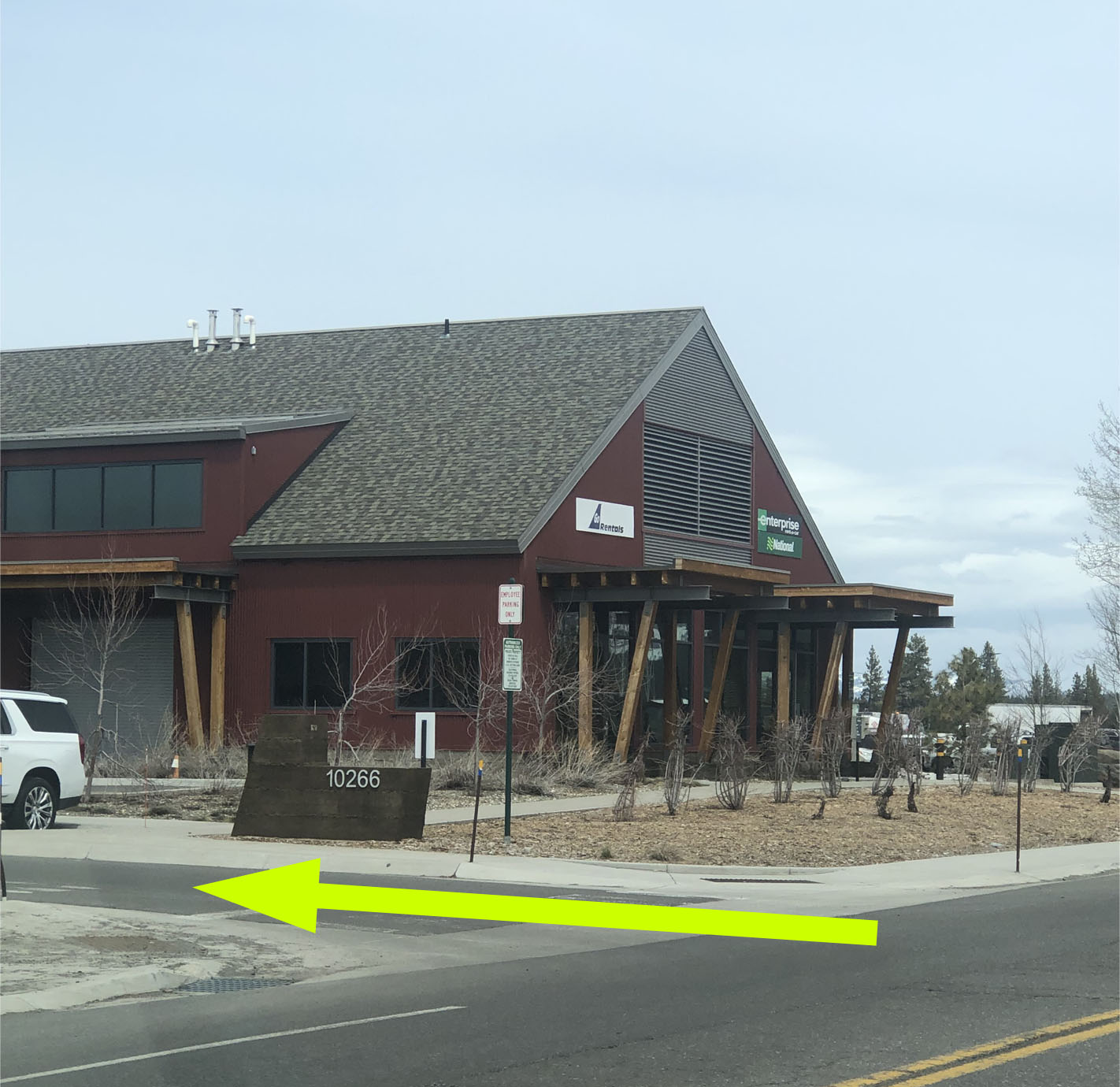
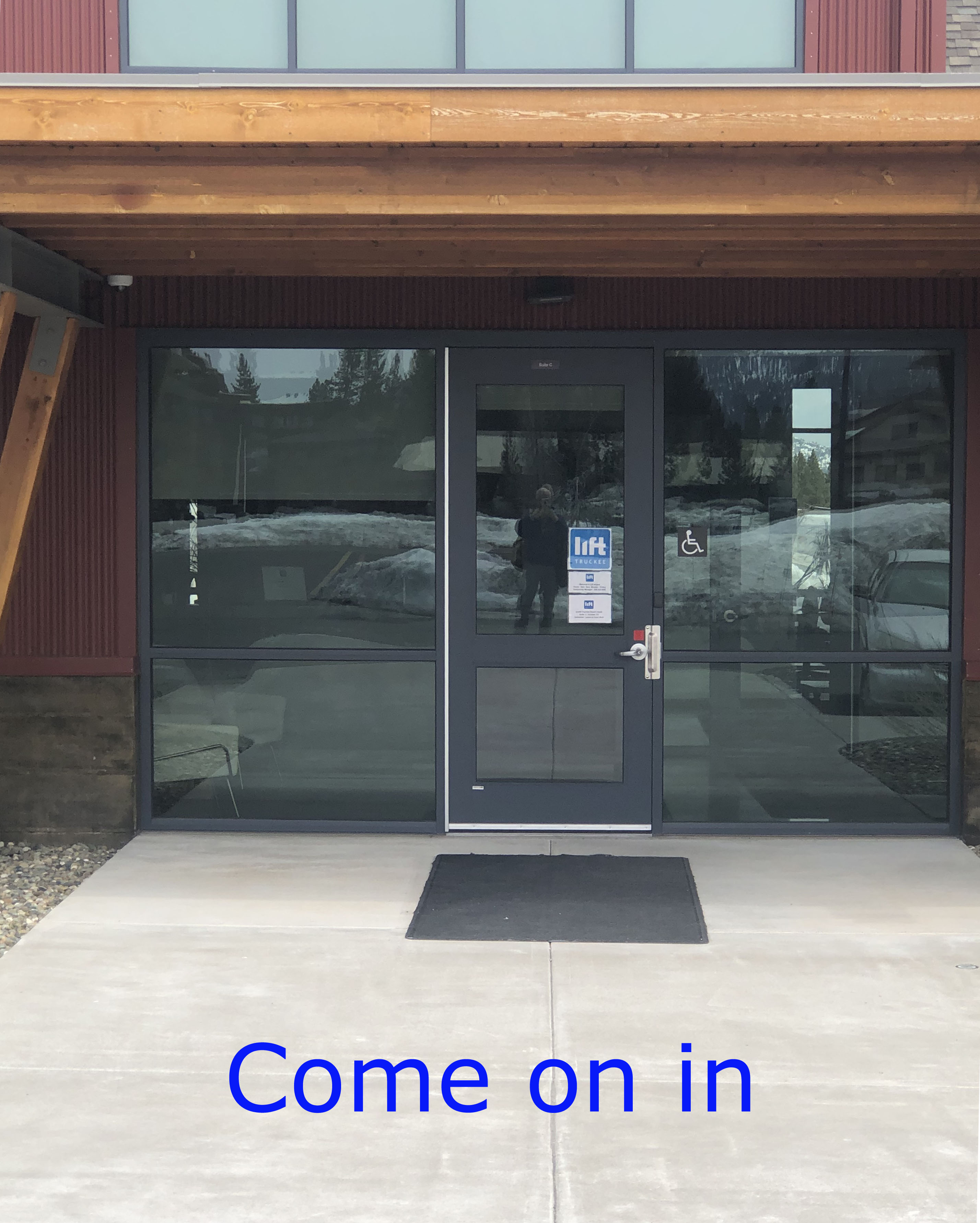
Truckee Appointments
Sessions are usually 30-40 minutes.
To discuss your situation and/or schedule an appointment:
Call or text: 530-587-9356 (Fastest and most direct route)
email: appointments@musclemanagement.com
When someone presents with pain, it is often a sign that the body has already adapted in some way.
Very often, that adaptation is held in the core.
Until that deeper tension begins to return to balance, we can end up chasing symptoms.
By the core, I mean the central region of the body where the spine, pelvis, abdominal organs, and surrounding tissues work together to support movement and coordination.
This central system and the extremities are constantly influencing one another.
Over time, I’ve found that working with this relationship allows the body to respond more naturally.
I prefer simple, efficient, and effective.
That understanding has gradually distilled into three steps:
Find it.
Feel it.
Fix it.
As Wyatt Earp once said:
“Fast is fine, but accurate is better.”
In bodywork, accuracy is what makes the difference.
Unlike mainstream massage, which often relies on forceful pressure applied to non-specific areas, Taum’s work emphasizes precision and correction at a comfortable, medium depth.
His 'whole-body approach' focuses on reducing unhealthy tension and restoring balance and lasting relief within muscles, fascia, viscera, and lymph.
All of this is done while you remain fully clothed and comfortable.
When your situation calls for lymphatic management, castor oil may be used, and preparation for your session will be discussed in advance.
If you’ve tried other therapies and found the results didn’t last, it doesn’t mean they weren’t valuable — only that the true root cause may lie deeper than the symptom. That’s where this work shines. Taum thinks outside the box, bringing over 50 years of studying, practicing, and teaching The Berry Method® as a core element in his sessions.
Many clients discover that his accurate methods reach the root of their issues and often feel as effective as deep pressure.
The Body’s Design: Homeostasis • Movement • Balance
Here’s the good news: your body already knows how to heal itself.
Its design is based on three essentials — homeostasis, movement, and balance.
When one of these gets disrupted, the system stalls.
Think of it like an engineering problem: the mechanism is sound, but it’s stuck in one spot. My expertise lies in identifying where it’s stuck, reducing the tension that holds it there, and then allowing the body to return to its natural state—one where it can heal, move, and restore balance.
If you’re in pain, chances are your body is caught in a pattern it can’t get out of on its own. You may have developed adaptations following an injury, overuse, or years of stress — and the result is pain, tension, or limited movement.
Common issues I help with include:
- Ongoing pain from old injuries
- Recurring back, hip, shoulder, knee, elbow, or wrist tension — really, any joint that just won’t let go
- Restricted movement that doesn’t improve with stretching
- A sense that your body is “working against you”
By releasing these stuck points at the muscular and fascial level, the whole system can reset. Pain eases, mobility returns, and your body gets back to functioning the way it’s designed to.
If pain is slowing you down, let’s work together to get you moving freely again.
Book your appointment today.
Call or text: 530-587-9356
Your body has been adapting… now we begin to reorganize.
If you’re considering working with Taum, it’s likely because something in your body doesn’t feel right. It may feel off, restricted, or simply not as healthy or natural as it should.
The patterns you’ve been experiencing may have been developing quietly in the background.
Over time, your body has adapted to keep you moving and functioning.
Now you’ve decided to change the direction of your health.
When something does not resolve as quickly as expected, it is often due to long-standing tension that has built up as the body adapts and compensates for past injuries, stress, or habitual movement patterns, such as prolonged sitting.
This work begins to reorganize those patterns, often more quickly than people expect.
As your body adapts to a new way of being in balance, it is not unusual to notice temporary changes such as soreness, fatigue, mild nausea, or shifts in digestion. These are not signs of harm, but part of the body recalibrating.
A simple way to think about this is like the front end of a car being out of alignment.
You may notice the car pulling to one side or the tires wearing unevenly.
You can keep replacing the tires, but until the alignment is corrected, the problem continues.
In the body, pain and tightness are often like those worn tires.
They are the visible result of a deeper imbalance.
When these underlying patterns are addressed, the strain on the surface begins to resolve more naturally.
When compensations go unaddressed, they can disrupt your core stability and balance, leading to persistent discomfort that other approaches may only temporarily relieve.
Unlike treatments that focus only on surface symptoms, this work addresses primary musculoskeletal patterns, especially those related to the core and its relationship with gravity. By working with these deeper patterns, we can create meaningful, lasting change.
That’s why I often recommend a short series of sessions. This allows your body time to reorganize, unwind long-held tension, and establish a more stable and efficient way of moving.
Outside of a traumatic event, the pattern you presented most likely did not develop overnight.
Your body has adapted over time to keep you functioning.
This work begins to reorganize those patterns, often more quickly than people expect.
As your body adapts to a new way of being in balance, it is not unusual to experience temporary changes such as soreness, fatigue, mild nausea, or shifts in digestion. These are not signs of harm, but part of the body recalibrating.
Give your body a little time and space to integrate these changes.
DO:
Walk…Walk…Walk each day.
Walking is an essential part of the process. It continues the work we’ve done and helps the body organize that work into lasting balance.
Walking stimulates your natural, built-in healing abilities and supports the rebalancing process.
It is common to be sore for a few days following a session. Consider this similar to engaging muscles in a new way. As your body adapts, that soreness typically resolves with gentle movement.
Normally, any soreness will work itself out as you walk. However, use common sense. If your pain increases or if something doesn’t feel right, reach out and call me.
Take hot baths or use a hot tub, but do not direct jets onto any area that was worked on. Heat can help ease soreness and support relaxation.
The integration process can be supported by:
• NOT lifting anything heavy, no trash, kids, etc. In general, avoid lifting. Use a light fanny pack instead of a purse. Reduce unnecessary load.
• NOT sitting for long periods. After about 20 minutes, get up and move. This includes driving. It is better to stand, walk, or lie down than to sit.
• NOT sleeping on your stomach.
• NOT doing repetitive twisting activities such as vacuuming, digging, scrubbing, or strenuous exercise, including stretching, unless instructed.
• NOT holding the phone between your shoulder and head. Use speaker or a headset.
• NOT allowing yourself to get chilled, as this can cause the muscles to tighten.
It typically takes 24 to 48 hours, and sometimes up to a week, for the body to settle into a new level of balance.
Take responsibility for your part in the process and follow these guidelines.
And yes…walking helps.
My work usually takes a minimum of three appointments to establish lasting improvement.
If your situation is more involved or long-standing, it may require a series of treatments, often 4 to 6 sessions, for the body to hold its new balance. After that, occasional tune-ups, about once a month, have served many people well.
If you have any concerns, call or text me.
You can also visit the self-help section of my website.
I recommend the 'Healthy Habits' section to support your progress.
To simplify your 1st visit, please download, contemplate, complete, and bring the intake form with you.
This serves to show us both where we are beginning and guide our path forward.
Intake form as a pdf
Session fees:
In-office:
$130 cash.
$135 Check or Card.
Out of office: Prepaid
Starting at $250 per session, plus travel time and expenses.

What to Expect During a Lymphatic Therapy Program
Every lymphatic therapy program begins with a consultation and evaluation to assess your current presentation, areas of congestion, overall health history, and treatment goals. This allows the work to be tailored to your individual needs rather than following a predetermined protocol.
Treatment is progressive and adaptive. Session content, frequency, and techniques are adjusted based on how your body responds and what is discovered throughout the process.
Phase 1 — Assessment & Structural Preparation
Many forms of congestion are influenced not only by lymphatic function, but also by muscular tension, postural adaptations, visceral restrictions, scar tissue, and altered movement patterns.
Early sessions focus on identifying and reducing these mechanical barriers. Improving tissue mobility and reducing internal pressure often creates a more favorable environment for fluid movement throughout the body.
Gentle lymphatic techniques may also be introduced during this phase to begin supporting drainage and improving fluid circulation.
Phase 2 — Lymphatic Mobilization & Fluid Movement
As restrictions begin to decrease and tissues become more responsive, treatment may progress toward more comprehensive lymphatic work.
Sessions are designed to encourage efficient movement of lymphatic and interstitial fluids while continuing to address structural factors that may be contributing to congestion.
Some individuals notice temporary changes in elimination patterns, including increased urination, changes in bowel activity, or temporary shifts in how they feel as fluid movement and tissue metabolism improve. These responses are generally short-lived and vary from person to person.
Phase 3 — Integration & Functional Support
As congestion decreases and tissue quality improves, treatment focuses on supporting long-term function and maintaining gains achieved during earlier sessions.
This phase may include continued lymphatic support, structural balancing, movement recommendations, and strategies to help the body maintain efficient fluid transport.
Many individuals report improvements in comfort, mobility, energy levels, sleep quality, and overall well-being as internal pressure and tissue congestion decrease.
Treatment Progression
Some individuals experience meaningful changes within only a few sessions, while others with long-standing or complex presentations may benefit from a longer course of care.
Treatment recommendations are based on:
- Current symptoms and goals
- Severity and duration of congestion
- Structural and movement findings
- Medical history
- Individual response to treatment
The goal is not simply to move fluid, but to address the factors that may be contributing to congestion so the body can function more efficiently over time.
Clinical Considerations
Manual lymphatic therapy is not appropriate for every condition. Certain medical presentations may require modification, coordination with other healthcare providers, or postponement of treatment.
A thorough consultation is conducted before care begins to determine appropriateness and to ensure treatment is provided safely and effectively.
A structured, full-body approach to lymphatic and interstitial support.
Lymphatic work:
Fees vary depending on the type, depth, and duration of lymphatic work required. The initial lymphatic session is often 60 minutes: $160/$165
Out of office: Prepaid
Starting at $350 per session, plus travel time and expenses.
Appointments are also available in Reno, NV (Tuesday and sometimes Saturday)
- Clarify the details of your pain.
- Note the physical things you do to reduce that concern.
Your description is not just a set of words. They provide valuable insights into what is physically occurring in your body, its characteristics, and personality. Your input is highly valued in our assessment.
Example:
The outside of my hip hurts:
It hurts more when I try to sleep on one side.
It hurts less when sitting.
In other words, what movement or position changes decrease or increase your pain?
I ask everyone about their digestion.
Think about how your body processes your nutrients.
What to wear.
Comfortable, lightweight, and stretchable clothing....similar to what you would wear for a Yoga class. You will be asked to remove your shoes.
Same clothing for the abdominal-visceral sessions? Yes.
Bring shorts to change into.
Time.
The sessions last approximately 30-45 minutes, though they can go longer, especially your first session. Grant yourself time before and after your session. I highly recommend allowing yourself at least 10 minutes for walking after your session; the walking serves to solidify and continue the re-balancing process.
The walking component is important, so set the time aside.
Listen and record.
You can often aid the process by writing down your concerns using the intake form.
Include how those concerns 'talk' to you.
Sharp yelling, whispering, dull achy, time of day, after eating, while sitting, going upstairs, going downstairs, what parts are 'talking'....anything and everything is a clue. Listening to the clues our body sends us often aids us in preventing a whisper from becoming a scream.
With respect to covid.
♦ I have been vaccinated.
♦ I’ll provide fresh, clean coverings for the table and face cradle.
♦ Any indication of dis-ease: cough, chill, or temperature for either of us, call me and we reschedule.
I hope this information serves you and those you serve.

Taum's manual therapy approach is rooted in a centuries-old therapy tradition that accepts the following:
- The human body is engineered to move pain-free.
- The human body often alerts us to dysfunction.
- Pain is an alert.
- Indigestion is an alert.
- The human body has an innate ability to 'repair and maintain' itself.
- When presented with dysfunction, it is presumed this natural ability has been compromised via trauma, adaptation, repetitive stress, etc.
- This innate ability is greatly influenced by the state of balance within the body's core region.
- By returning core balance and reducing the restrictions that create imbalance, the body can get back to fixing and maintaining itself.
- Oftentimes, a small improvement in balance can result in big rewards.
Consider: The common goal weaving through all therapies is to encourage stuck things to move.
A Holistic approach.
It serves to remember that we, as therapists, do not heal anything. We simply recognize, respect, and support the body's 'built-in' healing ability.
Corrective Massage recognizes the importance of balanced relationships, movements, and interactions throughout the body's soft tissues*. These relationships include natural anatomical positions and functionally balanced movement unimpeded by soft tissue tension.
Functional balance implies that our soft tissues are working harmoniously to support pain-free, healthy movement and function.
In Taum's world of Corrective Massage, considering all bodily movement as an orchestration of soft tissue relationships is a fundamental principle and starting point.
These foundational principles include familiarity with Equilibrium and Homeostasis. AKA Balance.
For example: Walking initially appears to be a simple activity. It actually involves a complex orchestration of numerous soft tissues.
A symphony of movement:
Our body requires over 200 of our 600 muscles to take one step. Of those 200, many serve as compensating adapters working in the background to keep us upright as we walk. While all our weight is on the right foot, those background muscles are adapting and counterbalancing so we do not fall over.
Each and every soft tissue plays a vital role in the body's ability to move and adapt to unbalanced tensions.
Our bodies can adapt to those tensions.
But only so far...
Limping is an example of crossing the adaptation line.
Pain serves as an alert that unbalanced tension has exceeded the body's ability to adapt, and corrective therapy is required.
The foundational focus of this unique therapy is to interpret the alert and then identify and correct the soft tissue tensions and imbalances that have created those alerts.
Corrective massage has repeatedly proven to be an efficient and effective method to reduce and relieve pain.
I hope this information serves you and those you serve.

*Muscles, tendons, ligaments, membranes, and viscera.
The Body’s Design: Homeostasis • Movement • Balance
Here’s the good news: your body already knows how to heal itself.
Its design is based on three essentials — homeostasis, movement, and balance.
When one of these gets disrupted, the system stalls.
Think of it like an engineering problem: the mechanism is sound, but it’s stuck in one spot. My expertise lies in identifying where it’s stuck, reducing the tension that holds it there, and then allowing the body to return to its natural state—one where it can heal, move, and restore balance.
If you’re in pain, chances are your body is caught in a pattern it can’t get out of on its own. You may have developed adaptations following an injury, overuse, or years of stress — and the result is pain, tension, or limited movement.
Common issues I help with include:
- Ongoing pain from old injuries
- Recurring back, hip, shoulder, knee, elbow, or wrist tension — really, any joint that just won’t let go
- Restricted movement that doesn’t improve with stretching
- A sense that your body is “working against you”
By releasing these stuck points at the muscular and fascial level, the whole system can reset. Pain eases, mobility returns, and your body gets back to functioning the way it’s designed to.
If pain is slowing you down, let’s work together to get you moving freely again.
Book your appointment today.
Call or text: 530-587-9356
Your body has been adapting… now we begin to reorganize.
If you’re considering working with Taum, it’s likely because something in your body doesn’t feel right. It may feel off, restricted, or simply not as healthy or natural as it should.
The patterns you’ve been experiencing may have been developing quietly in the background.
Over time, your body has adapted to keep you moving and functioning.
Now you’ve decided to change the direction of your health.
When something does not resolve as quickly as expected, it is often due to long-standing tension that has built up as the body adapts and compensates for past injuries, stress, or habitual movement patterns, such as prolonged sitting.
This work begins to reorganize those patterns, often more quickly than people expect.
As your body adapts to a new way of being in balance, it is not unusual to notice temporary changes such as soreness, fatigue, mild nausea, or shifts in digestion. These are not signs of harm, but part of the body recalibrating.
A simple way to think about this is like the front end of a car being out of alignment.
You may notice the car pulling to one side or the tires wearing unevenly.
You can keep replacing the tires, but until the alignment is corrected, the problem continues.
In the body, pain and tightness are often like those worn tires.
They are the visible result of a deeper imbalance.
When these underlying patterns are addressed, the strain on the surface begins to resolve more naturally.
When compensations go unaddressed, they can disrupt your core stability and balance, leading to persistent discomfort that other approaches may only temporarily relieve.
Unlike treatments that focus only on surface symptoms, this work addresses primary musculoskeletal patterns, especially those related to the core and its relationship with gravity. By working with these deeper patterns, we can create meaningful, lasting change.
That’s why I often recommend a short series of sessions. This allows your body time to reorganize, unwind long-held tension, and establish a more stable and efficient way of moving.
Outside of a traumatic event, the pattern you presented most likely did not develop overnight.
Your body has adapted over time to keep you functioning.
This work begins to reorganize those patterns, often more quickly than people expect.
As your body adapts to a new way of being in balance, it is not unusual to experience temporary changes such as soreness, fatigue, mild nausea, or shifts in digestion. These are not signs of harm, but part of the body recalibrating.
Give your body a little time and space to integrate these changes.
DO:
Walk…Walk…Walk each day.
Walking is an essential part of the process. It continues the work we’ve done and helps the body organize that work into lasting balance.
Walking stimulates your natural, built-in healing abilities and supports the rebalancing process.
It is common to be sore for a few days following a session. Consider this similar to engaging muscles in a new way. As your body adapts, that soreness typically resolves with gentle movement.
Normally, any soreness will work itself out as you walk. However, use common sense. If your pain increases or if something doesn’t feel right, reach out and call me.
Take hot baths or use a hot tub, but do not direct jets onto any area that was worked on. Heat can help ease soreness and support relaxation.
The integration process can be supported by:
• NOT lifting anything heavy, no trash, kids, etc. In general, avoid lifting. Use a light fanny pack instead of a purse. Reduce unnecessary load.
• NOT sitting for long periods. After about 20 minutes, get up and move. This includes driving. It is better to stand, walk, or lie down than to sit.
• NOT sleeping on your stomach.
• NOT doing repetitive twisting activities such as vacuuming, digging, scrubbing, or strenuous exercise, including stretching, unless instructed.
• NOT holding the phone between your shoulder and head. Use speaker or a headset.
• NOT allowing yourself to get chilled, as this can cause the muscles to tighten.
It typically takes 24 to 48 hours, and sometimes up to a week, for the body to settle into a new level of balance.
Take responsibility for your part in the process and follow these guidelines.
And yes…walking helps.
My work usually takes a minimum of three appointments to establish lasting improvement.
If your situation is more involved or long-standing, it may require a series of treatments, often 4 to 6 sessions, for the body to hold its new balance. After that, occasional tune-ups, about once a month, have served many people well.
If you have any concerns, call or text me.
You can also visit the self-help section of my website.
I recommend the 'Healthy Habits' section to support your progress.
To simplify your 1st visit, please download, contemplate, complete, and bring the intake form with you.
This serves to show us both where we are beginning and guide our path forward.
Intake form as a pdf
Session fees:
In-office:
$130 cash.
$135 Check or Card.
Out of office: Prepaid
Starting at $250 per session, plus travel time and expenses.

What to Expect During a Lymphatic Therapy Program
Every lymphatic therapy program begins with a consultation and evaluation to assess your current presentation, areas of congestion, overall health history, and treatment goals. This allows the work to be tailored to your individual needs rather than following a predetermined protocol.
Treatment is progressive and adaptive. Session content, frequency, and techniques are adjusted based on how your body responds and what is discovered throughout the process.
Phase 1 — Assessment & Structural Preparation
Many forms of congestion are influenced not only by lymphatic function, but also by muscular tension, postural adaptations, visceral restrictions, scar tissue, and altered movement patterns.
Early sessions focus on identifying and reducing these mechanical barriers. Improving tissue mobility and reducing internal pressure often creates a more favorable environment for fluid movement throughout the body.
Gentle lymphatic techniques may also be introduced during this phase to begin supporting drainage and improving fluid circulation.
Phase 2 — Lymphatic Mobilization & Fluid Movement
As restrictions begin to decrease and tissues become more responsive, treatment may progress toward more comprehensive lymphatic work.
Sessions are designed to encourage efficient movement of lymphatic and interstitial fluids while continuing to address structural factors that may be contributing to congestion.
Some individuals notice temporary changes in elimination patterns, including increased urination, changes in bowel activity, or temporary shifts in how they feel as fluid movement and tissue metabolism improve. These responses are generally short-lived and vary from person to person.
Phase 3 — Integration & Functional Support
As congestion decreases and tissue quality improves, treatment focuses on supporting long-term function and maintaining gains achieved during earlier sessions.
This phase may include continued lymphatic support, structural balancing, movement recommendations, and strategies to help the body maintain efficient fluid transport.
Many individuals report improvements in comfort, mobility, energy levels, sleep quality, and overall well-being as internal pressure and tissue congestion decrease.
Treatment Progression
Some individuals experience meaningful changes within only a few sessions, while others with long-standing or complex presentations may benefit from a longer course of care.
Treatment recommendations are based on:
- Current symptoms and goals
- Severity and duration of congestion
- Structural and movement findings
- Medical history
- Individual response to treatment
The goal is not simply to move fluid, but to address the factors that may be contributing to congestion so the body can function more efficiently over time.
Clinical Considerations
Manual lymphatic therapy is not appropriate for every condition. Certain medical presentations may require modification, coordination with other healthcare providers, or postponement of treatment.
A thorough consultation is conducted before care begins to determine appropriateness and to ensure treatment is provided safely and effectively.
A structured, full-body approach to lymphatic and interstitial support.
Lymphatic work:
Fees vary depending on the type, depth, and duration of lymphatic work required. The initial lymphatic session is often 60 minutes: $160/$165
Out of office: Prepaid
Starting at $350 per session, plus travel time and expenses.
Appointments are also available in Reno, NV (Tuesday and sometimes Saturday)
- Clarify the details of your pain.
- Note the physical things you do to reduce that concern.
Your description is not just a set of words. They provide valuable insights into what is physically occurring in your body, its characteristics, and personality. Your input is highly valued in our assessment.
Example:
The outside of my hip hurts:
It hurts more when I try to sleep on one side.
It hurts less when sitting.
In other words, what movement or position changes decrease or increase your pain?
I ask everyone about their digestion.
Think about how your body processes your nutrients.
What to wear.
Comfortable, lightweight, and stretchable clothing....similar to what you would wear for a Yoga class. You will be asked to remove your shoes.
Same clothing for the abdominal-visceral sessions? Yes.
Bring shorts to change into.
Time.
The sessions last approximately 30-45 minutes, though they can go longer, especially your first session. Grant yourself time before and after your session. I highly recommend allowing yourself at least 10 minutes for walking after your session; the walking serves to solidify and continue the re-balancing process.
The walking component is important, so set the time aside.
Listen and record.
You can often aid the process by writing down your concerns using the intake form.
Include how those concerns 'talk' to you.
Sharp yelling, whispering, dull achy, time of day, after eating, while sitting, going upstairs, going downstairs, what parts are 'talking'....anything and everything is a clue. Listening to the clues our body sends us often aids us in preventing a whisper from becoming a scream.
With respect to covid.
♦ I have been vaccinated.
♦ I’ll provide fresh, clean coverings for the table and face cradle.
♦ Any indication of dis-ease: cough, chill, or temperature for either of us, call me and we reschedule.
I hope this information serves you and those you serve.

Taum's manual therapy approach is rooted in a centuries-old therapy tradition that accepts the following:
- The human body is engineered to move pain-free.
- The human body often alerts us to dysfunction.
- Pain is an alert.
- Indigestion is an alert.
- The human body has an innate ability to 'repair and maintain' itself.
- When presented with dysfunction, it is presumed this natural ability has been compromised via trauma, adaptation, repetitive stress, etc.
- This innate ability is greatly influenced by the state of balance within the body's core region.
- By returning core balance and reducing the restrictions that create imbalance, the body can get back to fixing and maintaining itself.
- Oftentimes, a small improvement in balance can result in big rewards.
Consider: The common goal weaving through all therapies is to encourage stuck things to move.
A Holistic approach.
It serves to remember that we, as therapists, do not heal anything. We simply recognize, respect, and support the body's 'built-in' healing ability.
Corrective Massage recognizes the importance of balanced relationships, movements, and interactions throughout the body's soft tissues*. These relationships include natural anatomical positions and functionally balanced movement unimpeded by soft tissue tension.
Functional balance implies that our soft tissues are working harmoniously to support pain-free, healthy movement and function.
In Taum's world of Corrective Massage, considering all bodily movement as an orchestration of soft tissue relationships is a fundamental principle and starting point.
These foundational principles include familiarity with Equilibrium and Homeostasis. AKA Balance.
For example: Walking initially appears to be a simple activity. It actually involves a complex orchestration of numerous soft tissues.
A symphony of movement:
Our body requires over 200 of our 600 muscles to take one step. Of those 200, many serve as compensating adapters working in the background to keep us upright as we walk. While all our weight is on the right foot, those background muscles are adapting and counterbalancing so we do not fall over.
Each and every soft tissue plays a vital role in the body's ability to move and adapt to unbalanced tensions.
Our bodies can adapt to those tensions.
But only so far...
Limping is an example of crossing the adaptation line.
Pain serves as an alert that unbalanced tension has exceeded the body's ability to adapt, and corrective therapy is required.
The foundational focus of this unique therapy is to interpret the alert and then identify and correct the soft tissue tensions and imbalances that have created those alerts.
Corrective massage has repeatedly proven to be an efficient and effective method to reduce and relieve pain.
I hope this information serves you and those you serve.

*Muscles, tendons, ligaments, membranes, and viscera.